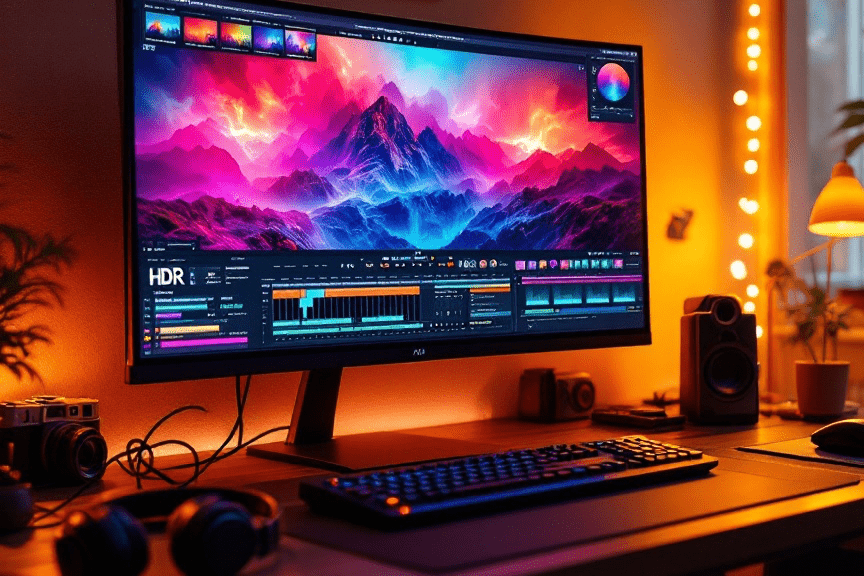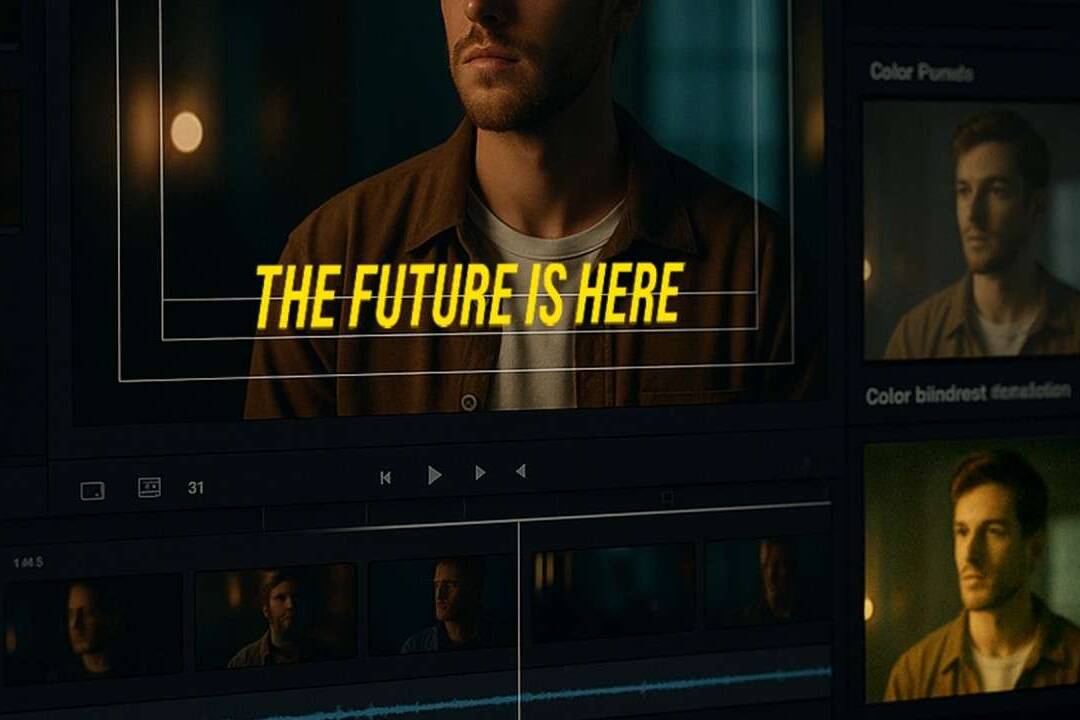

Creative exploration needs latitude. Not every useful idea appears inside the shortest path to delivery. Some of the best choices in color, sound, editing, and finishing begin as play: a tangent, an inversion, a controlled accident that reveals something the plan could not predict.

Latitude & Play: Why Exploration Belongs at the Core of Creativity

Let’s talk about loosening the grip of deliverables and bottom lines long enough to remember why we even got into this craft.

A creative is an explorer. That is not a metaphor. It is literal. Exploration requires space: space to get lost, to invert, to chase a tangent that might go nowhere and then suddenly everywhere.

The pressure to constantly optimize, streamline, and protect the bottom line can close the door on the bifurcations that lead to real breakthroughs. When we censor ourselves by efficiency alone, we miss the brilliance born from play.

What Structured Play Looks Like

It looks like laughing, failing, starting over, getting it wrong, flipping it upside down, stumbling onto something magical, and sometimes coming back empty-handed. That is the process. That is craft.

Happy accidents are not just a bonus. They are vital signs. They show that the session still has oxygen.

What happens when you modulate hue in the glow based on frame rate? What happens when a function generator, random number generators, an LFO, and a VCA start talking to each other? You do not know until you try. That is the point.

The 30-Minute Rule

I give myself 30 minutes of structured play in every session. If it leads to something worthwhile, I wrap it into the work. If not, it is still a valuable mental exercise.

Not everything needs to make it into the timeline. Some things are for the mind and soul behind the mouse.

Why It Matters for Post-Production

In finishing work, latitude is not waste. It is risk management for imagination. A small zone of play can reveal a better contrast strategy, a more musical texture treatment, a subtler grade, or a stronger emotional rhythm.

When we explore, we train ourselves to see. When we play, we sharpen our instincts. When we allow detours, we sometimes discover the main road.

Related Reading from Final Stage

FAQ: Creative Exploration

Is creative play inefficient?
Unbounded play can be inefficient. Structured play is different. It gives exploration a container so discovery can happen without putting the schedule at risk.

Why does play matter in finishing?
Finishing is full of technical constraints. Play helps the artist find expressive choices inside those constraints instead of only executing the obvious path.

Source: Creative Alchemy Weekly on LinkedIn.


Want a finish that leaves room for discovery without losing the deadline?

Let’s make something rad!


RPSKK

Founder and Creative Conspirator of Final Stage Post House

Author posts
Related Posts

Privacy Preference Center