
Exposure might seem like a term reserved for cinematographers. In reality, it transcends visuals entirely. In both color grading and audio processing, exposure is about balance ensuring that every element of a scene shines without overpowering the larger picture. Whether it is the highlights in a frame or the loudest moment in a soundtrack, finding perfect exposure is critical to creating an emotionally resonant experience.
At Final Stage Post House, we treat exposure as a universal principle a shared philosophy governing both light and sound. Harmonizing the two is how we guide audience focus and emotion from frame one to final delivery.
Visual Exposure: The Foundation of a Scene
In cinematography and color grading, exposure controls the amount of light reaching the sensor. Too much and your highlights are blown out, losing detail and creating perceptual flatness. Too little and your shadows collapse, obscuring texture and dimensionality. Proper exposure creates the right balance of brightness and contrast to convey the scene’s mood and message and it establishes the foundation from which every other creative decision is made.
The key insight is that exposure decisions are not neutral. Every stop of light you choose to retain or sacrifice is a storytelling choice. A slightly underexposed face can feel weary, secretive, or melancholy. The same face properly exposed feels present and trustworthy. Overexposure can signal memory, dream, or overwhelm. Exposure is meaning before the edit begins.
Audio Exposure: The Sonic Equivalent
In audio, exposure operates through loudness, clarity, and dynamic range. Proper audio exposure ensures no sound overwhelms or gets buried in the mix. The sonic equivalent of blown-out highlights is audio clipping a hard, distorted ceiling that destroys dynamic information permanently. The equivalent of crushed shadows is inaudible dialogue or ambient detail swamped by music and effects.
Techniques like compression, EQ, and spatial placement serve the same function in audio that curves, color wheels, and secondary windows serve in grading: they shape exposure so every element is heard and felt as intended. For a deep dive into how these technical tools map to each other, see our Practical Guide to Sound Design for Colorists.
The Interplay Between Light and Sound
Finding the right exposure in both color and audio means asking the same fundamental questions. What is the emotional priority of this scene? What should the audience focus on? What should recede? What must never be lost? When color and audio exposure decisions are made with the same intentionality, they reinforce each other seamlessly the audience experiences a single, cohesive reality rather than two separate technical elements.
This is the philosophy behind every project at Final Stage Post House. To see it in action, explore how we approach the integration of sound and image in The Resonant Spectrum: The Fusion of Sound and Color.
Related Reading from Final Stage Post House
- The Final Word on Exposure, Contrast, Saturation, and Texture (coming soon)
- Fix It in Pre: Integrating Post in Pre-Production
- Cranking Your Story Up to 11
Frequently Asked Questions
What is the audio equivalent of 18% gray?
In audio recording, recording RMS at approximately -12 dBFS serves a similar function it establishes a reference midpoint that preserves headroom for processing, shaping, and creative elevation without risking clipping or over-compression.
Why does audio clipping feel so harsh compared to over-bright images?
Digital audio clipping produces hard distortion artifacts because the waveform is literally truncated at the ceiling no gradual roll-off, no retained detail. Visual overexposure in modern cameras can sometimes be recovered in post because sensors retain data beyond the display range. Digital audio has no equivalent recovery mechanism.
How does Final Stage approach exposure decisions across both domains in a single project?
We discuss both visual and sonic targets in the same creative brief. Exposure anchors are established for color (middle gray reference, highlight ceiling, shadow floor) and for audio (dialogue RMS target, music-to-dialogue relationship, effects headroom) at the same time, from the same creative intent.
Source: Finding the Perfect Exposure – Rodrigo Perez-Segnini on LinkedIn
Interested in how exposure philosophy shapes a full post-production workflow? Start with Final Stage Post House.

Related Posts
June 18, 2026
You Locked the Picture. Now What? A Practical Audio Post Guide
Picture lock isn't the finish lineâit's the starting gun for audio post.…

June 18, 2026
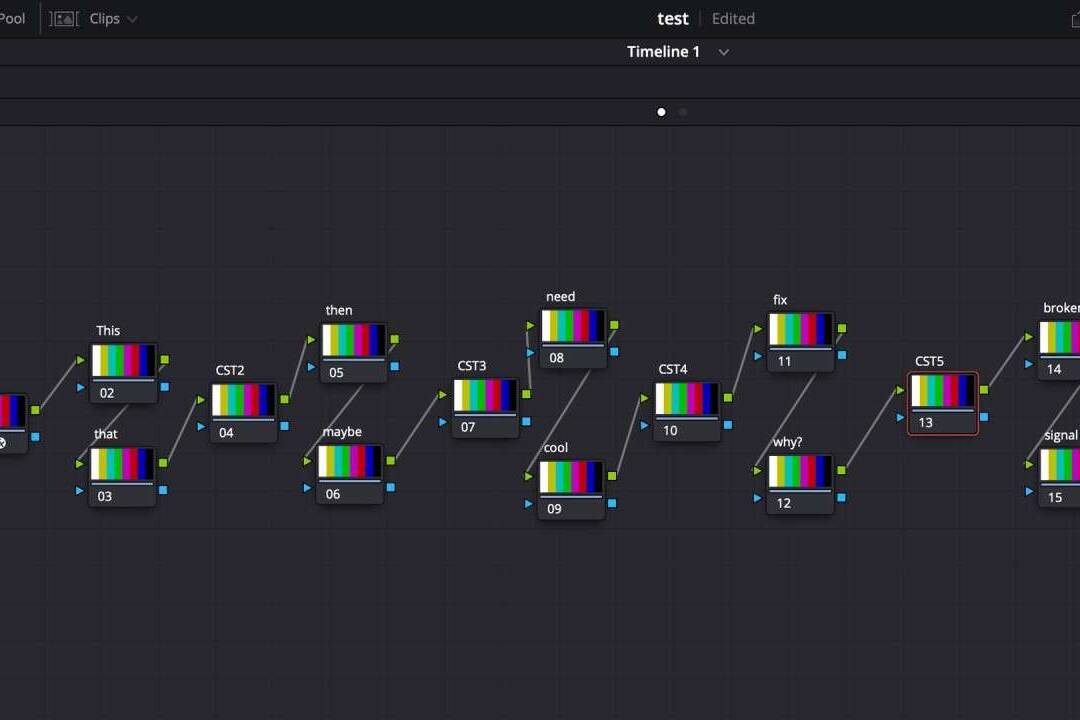
Color Space Transforms in DaVinci Resolve: How Many Is Too Many?
Stack too many CSTs in DaVinci Resolve and you risk banding, hue shifts, and…

June 18, 2026
The Frequencies That Shape Our Perception
Light and sound are both waveforms processed by biology. Understanding how we…